Skip to content
IndonesiaCharcoal

Restaurant charcoal

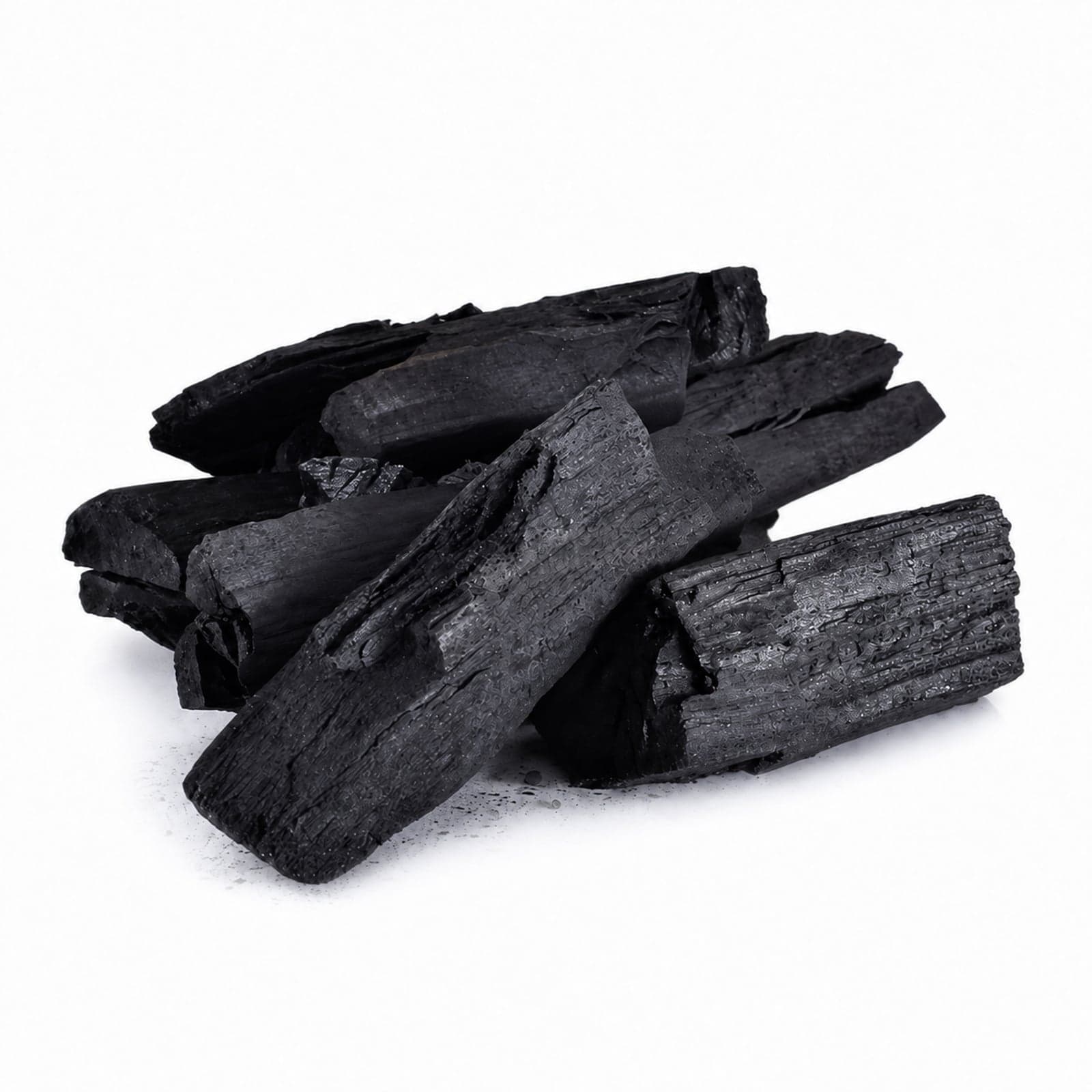
Hardwood lump from plantation timber at 80% fixed carbon, for charcoal ovens, robata, and open grills, sold on container programmes to food-service distributors.

A restaurant buys charcoal on burn hours per bag and on whether the next delivery arrives before the last pallet is gone. This is the fuel food-service distributors reorder for closed charcoal ovens and open grills: licensed plantation hardwood lump, carbonized slowly for density, screened to 50 to 150 mm, and dried to 6% moisture, so one basket load keeps an oven at working temperature through a dinner service.

Which charcoal suits a Josper-style charcoal oven best?

A closed oven is charged once per service, so density matters more than fast ignition. Hardwood lump at 80% fixed carbon and 7,200 kcal/kg holds for three hours plus per load with ash at 3% maximum, and the 50 to 150 mm sizing stacks and breathes properly in an oven basket. Smaller pieces choke the airflow, larger ones leave voids and burn unevenly, and that is why we screen twice.

Lump or briquettes for the open grill?

Ovens run on lump. Robata, shawarma, and yakiniku grills that run a whole service on one bed often do better on our 60 mm coconut hexagons, which lie flat with no hot spots for up to 3.5 hours, or on 50 mm flat blocks. Those grilling briquettes belong to the BBQ line and load in the same container, so one booking lets a distributor serve the oven kitchens and the grill kitchens together.

Why does fixed carbon set the real cost per service?

Fixed carbon is the part of the bag that actually burns as fuel. A cheaper bag at 60 to 70% carbon means more refuels mid-service, more bags each week, and more ash to handle, so its cost per service usually ends up above that of an 80% bag with a higher list price. Ask any supplier for the fixed carbon and moisture figures the certificate of analysis will show, then compare on burn hours rather than price per kilo.

How is the hardwood sourced and documented?

The wood comes from licensed plantation concessions in Sulawesi under SVLK, Indonesia's timber legality assurance system. Paperwork is kept per lot so the certificate of origin and the legality file match the container, which is what import desks in Europe and Australia now expect on wood charcoal. We buy from no unlicensed or natural forest source.

How do restaurant groups and distributors contract?

The standard arrangement is quarterly container volume with monthly call-offs: specs and pricing are held for the term, and production slots are reserved at signing. Bags are 10 or 15 kg kraft, plain or printed for your depot network, palletized and shrink-wrapped for handling. A first order starts at one 20 ft container of about 18 t, and samples up to 1 kg ship free for oven trials before you commit.

Product FAQ

Ordering, testing, and shipping for this line.

What is the minimum order quantity?

One 20 ft container, loaded to about 18 t. A 40 ft holds about 26 t, and larger quantities earn a discount. We do not ship LCL or pallet lots, although a mixed-product container is fine for a trial.

Can I get samples before ordering?

Yes. Samples up to 1 kg are free, with the shipping on your account. Larger samples are charged at a minimum price. Ship collect on your own DHL or FedEx account, or ask us for a quote from our preferred courier.

What is the production lead time?

Typically 1 to 4 weeks from order confirmation to loading, depending on the quantity and the orders already in production. Peak season slots in Q3 and Q4 should be booked in advance.

What payment terms do you accept?

A 30% deposit on order and 70% against the shipping documents. On programme contracts we accept an irrevocable LC at sight. First orders are not shipped on open account.

How do I know the spec is genuine?

Each batch is tested in our own lab, and the container CoA quotes the batches that were loaded. On request we book SGS, Sucofindo, or Carsurin for pre-shipment inspection and factory audit at cost, and the MSDS and self-heating test report are issued before the vessel sails.

What packaging options exist?

Shisha lines go in 500 g, 1 kg, and 3 kg inner boxes packed into master cartons. BBQ lines go in 3 kg, 5 kg, 10 kg, and 20 kg bags. Lump and fines go in PP bags, kraft bags, and 1 t jumbo bags. Above the design minimums, any product can carry your branding.

Do you produce under private label?

Yes. Any product in the catalogue can carry your branding: your artwork on inner boxes, bags, and master cartons, printed to your dieline once proofs are approved. Mixed containers under one label are a routine way to launch a range.

Which Incoterms and ports do you work with?

FOB Jakarta (Tanjung Priok) or Semarang as standard, CIF or CFR to the major ports on request, and EXW for buyers running their own forwarders. The MSDS and the non-self-heating test report carriers require under IMDG Class 4.2 come with every booking.

Send us your spec. Quote back within 24 hours.

Give us the application, the monthly volume, and the destination port. You get price, lead time, and a sample plan in return.