Import Coconut Charcoal to the USA: Buyer Guide
How US buyers import Indonesian coconut charcoal: the customs file, HS code 4402.90, FDA questions, IMDG carrier documents, and FOB or CIF planning.
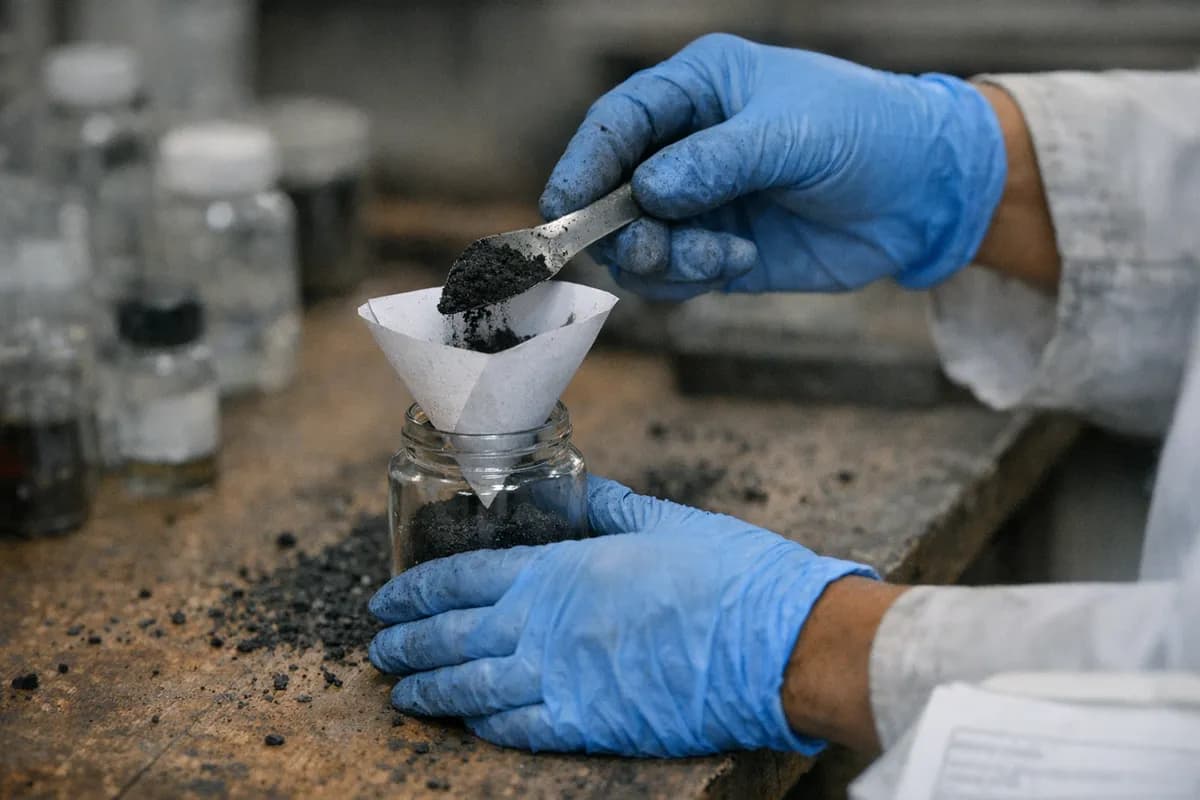
A US importer bringing coconut charcoal in from Indonesia has to satisfy two sets of rules with one document file: customs entry on the American side, and the dangerous goods requirements of the ocean carrier. In our experience the shipment rarely fails on the charcoal itself. It fails because the product is named differently on two documents, or because nobody produced a self-heating test report.
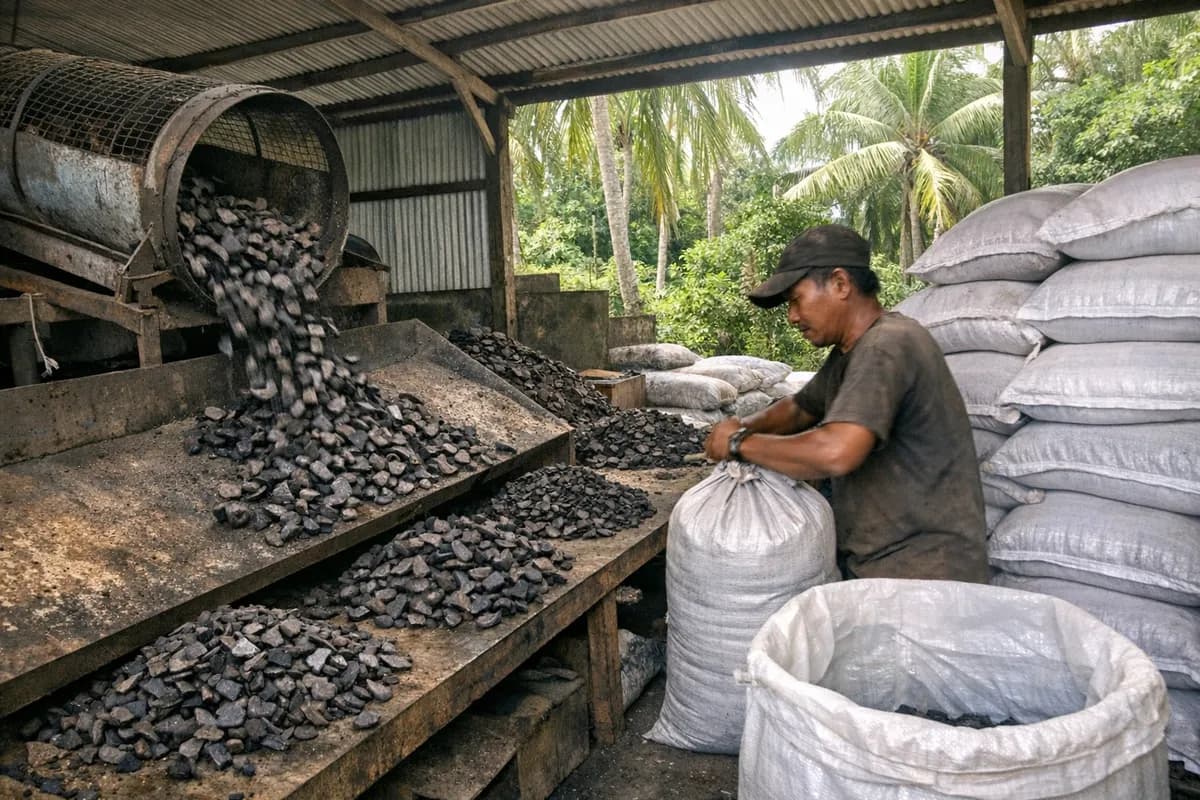
Shisha cubes, BBQ briquettes, lump, and fines all go from our factory to the United States. What follows is the sequence of buyer steps we see on US-bound programmes.
What documents do US importers need for coconut charcoal from Indonesia?
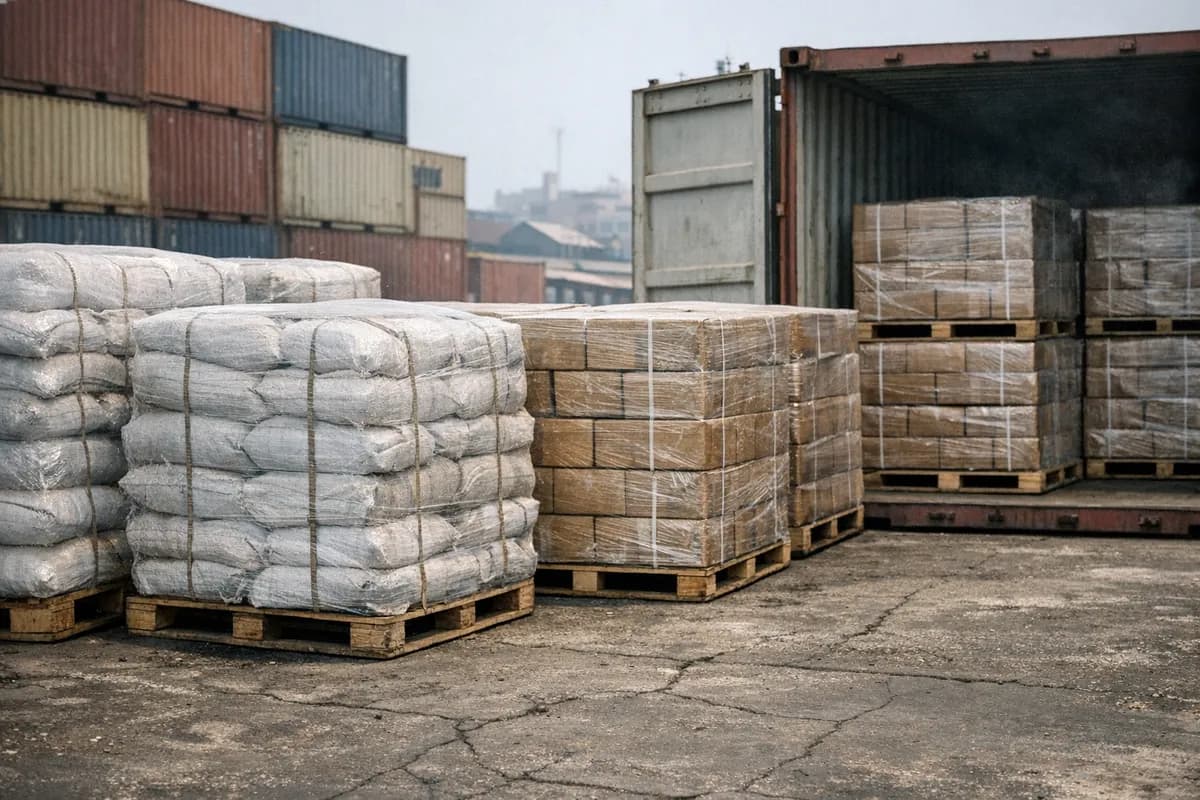
The sea freight file rests on six documents: commercial invoice, packing list, bill of lading, batch CoA, MSDS, and the self-heating test report. A certificate of origin joins the set whenever the buyer or the buyer's bank asks for one.
On the US side, entry also involves the importer's customs bond, the ISF filing for ocean cargo, and whatever entry instructions the broker issues. None of that belongs to the Indonesian exporter. It sits with the US importer and the licensed customs broker.
Settle the wording of every export document before production starts. The factory file we prepare for each container is described on our services page.
Which HTS code applies to coconut charcoal in US customs entry?
Our export documents carry HS code 4402.90 for coconut shell charcoal products. When the goods are classified under the US HTS, extra digits may be added for statistical or duty purposes.
Confirming the landed HTS line is the job of the importer of record, working with a licensed US customs broker. Our job as exporter is to keep the product description and the six-digit HS code identical from the pro forma invoice all the way to shipment.
Retail language such as hookah charcoal or natural BBQ fuel is fine for marketing, but the commercial description must still tie the goods back to coconut shell charcoal.
Do US regulators treat coconut charcoal as a food product?
No. Coconut charcoal is a solid fuel. That said, US buyers do raise FDA or CPSC questions from time to time, usually when the retail packaging looks like a consumer product. Which rules apply to your sales channel is a question for your compliance counsel.
Every line we ship comes with an MSDS, a specification sheet, and a batch CoA. The product specification for retail shisha boxes mentions the food-grade tapioca binder, but for customs and transport the import file should still describe the goods as charcoal.
If your distributor needs particular wording on the invoice or packing list, send us your US compliance template while the quotation is being prepared.
Which coconut charcoal formats do US buyers import most often?
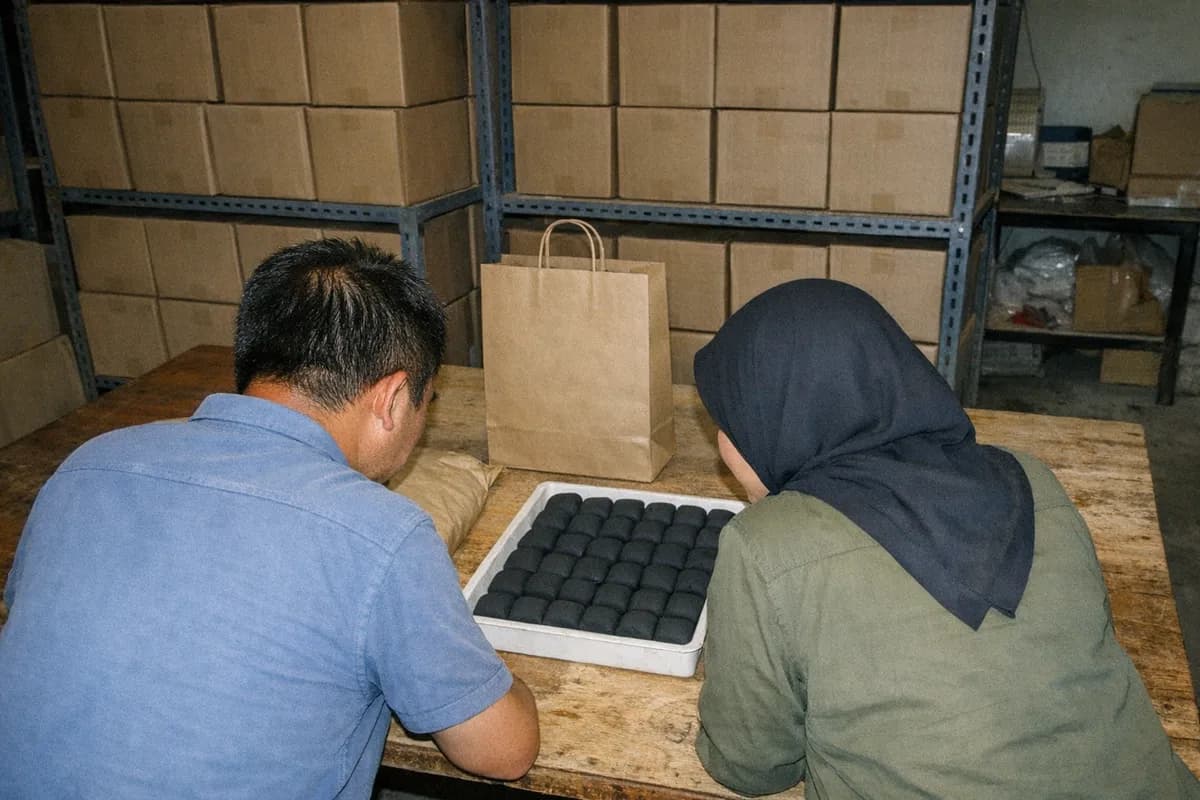
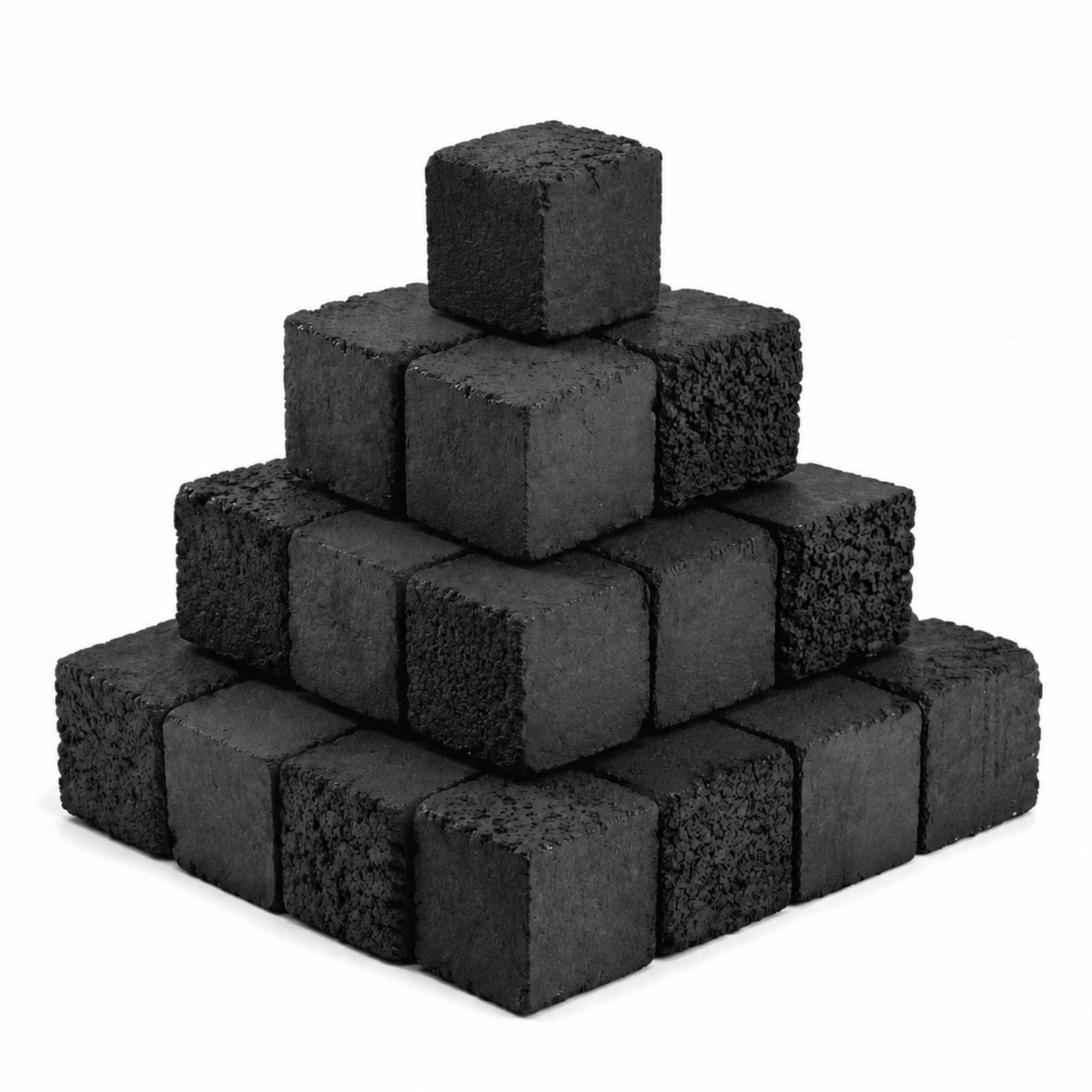
Hookah distributors in the US take coconut shisha cubes and hex briquettes from our shisha grade line. The grill and retail channels bring in coconut BBQ briquettes.
From the catalogue
Coconut Shisha Charcoal Cubes
Coconut shell cubes pressed in 22, 25, 26, and 27 mm: 80% fixed carbon, 1.9% white ash, and 80 to 125 minutes per load.
ISO 9001:2015 · MSDS · Self-heating test (IMO) · Factory audit on request
View product
Restaurant groups sometimes add hardwood lump for their oven programmes, and industrial users source coconut charcoal fines as feedstock for downstream processing.
A container can carry several formats at once, provided the packing list separates each product and its weights clearly.
How does IMDG compliance work on US-bound charcoal shipments?
Whatever the US port, the ocean carrier applies IMDG Class 4.2 rules to the booking. The MSDS and the self-heating test report have to describe the packed product form exactly as it appears on the packing list.
The difference between the self-heating test and the batch CoA is explained in our IMDG and DG shipping guide. US forwarders will usually want to see both documents before they confirm vessel space.
What lead time and Incoterms should US buyers plan for?
For standard products, loading typically happens three to four weeks after the order is confirmed. Retail packaging under your own brand adds artwork approval and print time on top of that.
When the US buyer wants to control main carriage, FOB Jakarta or Semarang is the usual term. When the buyer prefers freight included in the supplier's quote, we offer CIF to a named US port.
Use our contact page to send the destination port, the monthly volume, and the format mix you have in mind. Before the first purchase order goes out, work through our export checklist.