Indonesian Coconut Shell vs Hardwood Lump Charcoal
Coconut shell charcoal against hardwood lump from Indonesia: published specs side by side, ash and burn time compared, and how to choose for restaurants, retail BBQ, and industry.
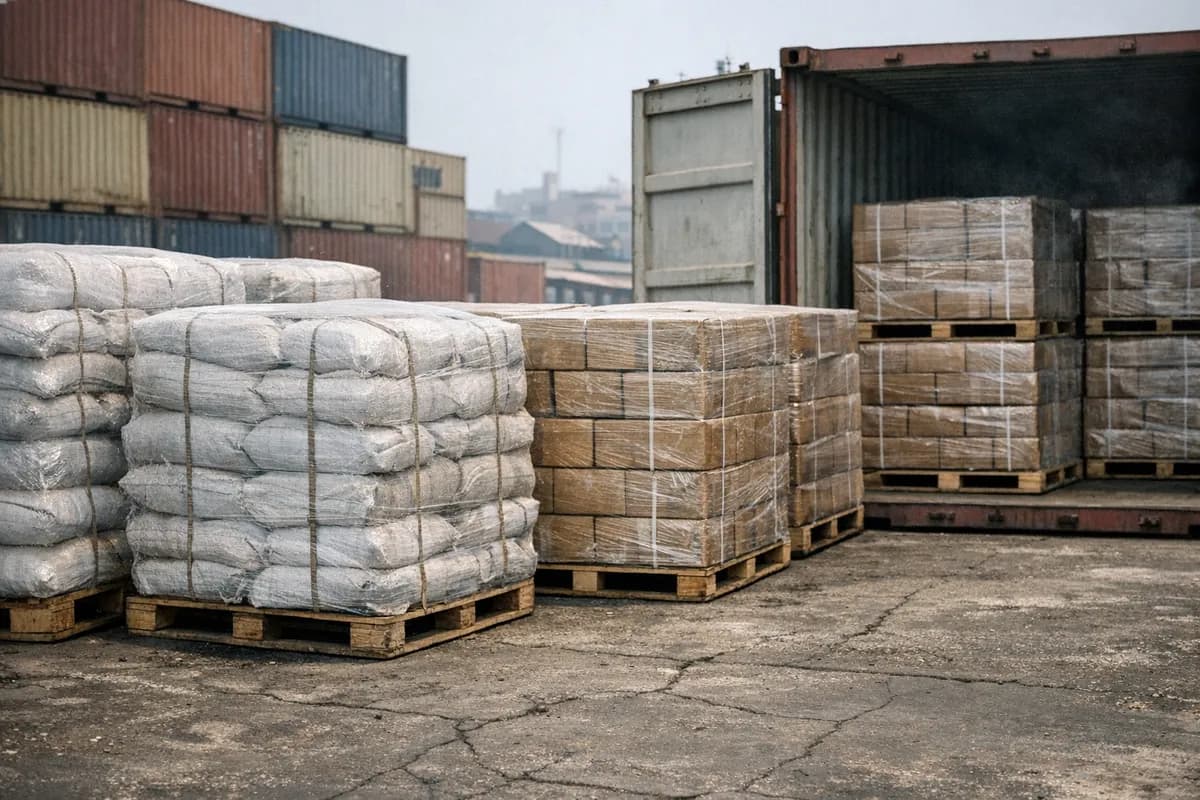
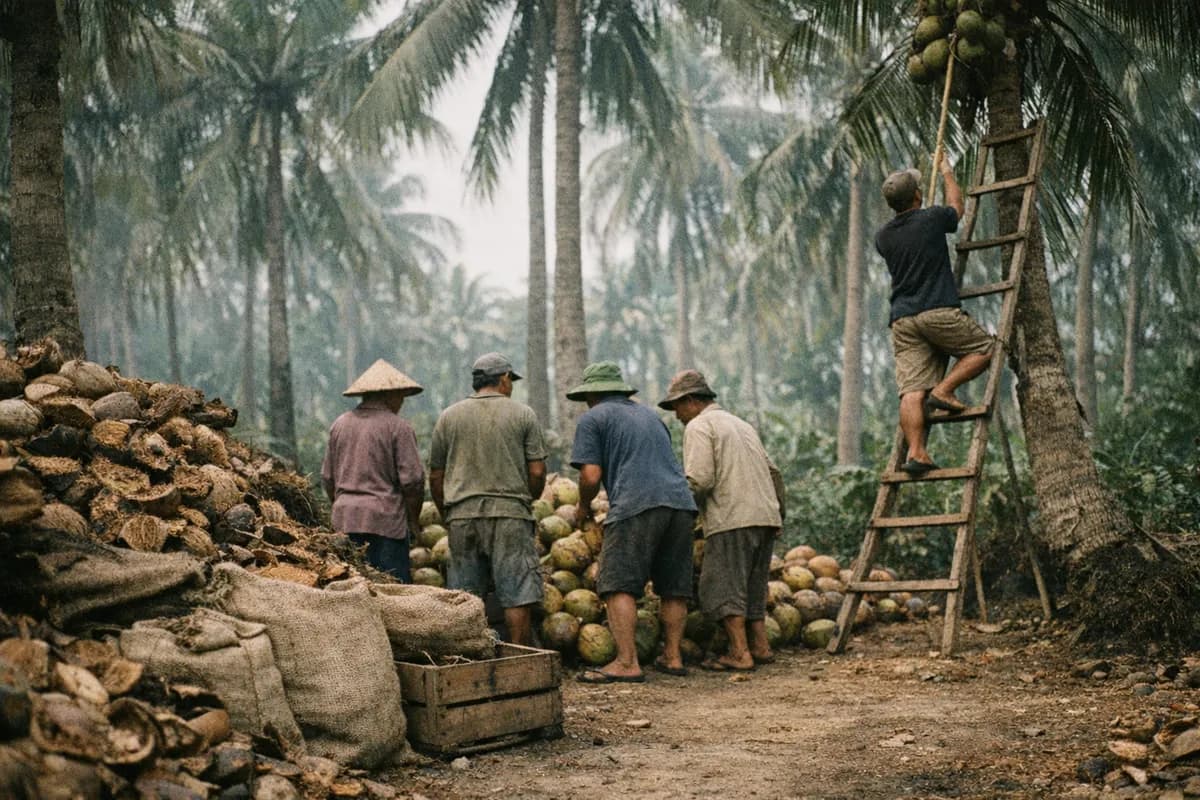
When Indonesian charcoal buyers compare products, they are usually weighing two separate decisions at once: the raw material and the physical format. Coconut shell can be pressed into BBQ briquettes, screened into natural shell lump, or sold as fines to industrial users. Hardwood lump is a natural piece fuel, and restaurants that want high heat and a long burn in grills or charcoal ovens tend to choose it.
We approach this comparison from the export desk rather than as a consumer taste test. The question worth answering is which Indonesian format gives your customer the right heat profile, ash level, sizing control, bag strength, and loading cost for the channel you serve.
How do Indonesian coconut shell charcoal and hardwood lump compare on specification?
On fixed carbon, calorific value, moisture, and published burn time, the hardwood lump in our restaurant grade comes out ahead. Where coconut shell wins is choice: pressed briquettes for retail consistency, natural shell lump for quick ignition, and fines as industrial carbon feedstock.
The table below sets the Indonesian products most buyers have in mind side by side. Only the measured fields published for each product line are included.
| Product | Material and form | Fixed carbon | Ash and moisture | Calorific value and burn time | Size | Packing |
|---|---|---|---|---|---|---|
| Coconut BBQ Briquettes | Pressed coconut shell pillow briquette | 70% min | Ash 4% max, moisture 8% max | 6,500 kcal/kg min, 2.5 h plus burn | 50 x 35 x 25 mm | 10 kg kraft bag or private-label retail bag |
| Natural Coconut Lump | Unpressed coconut shell pieces | 72% min | Ash 3.5% max, moisture 10% max | 6,800 kcal/kg min, burn time not published in product facts | 20 to 80 mm shell pieces | 15 kg woven PP bag with moisture liner |
| Restaurant Hardwood Lump | Plantation hardwood lump | 80% min | Ash 3% max, moisture 6% max | 7,200 kcal/kg min, 3 h plus burn | 50 to 150 mm lump | 10 kg or 15 kg kraft bag |
| Coconut Charcoal Fines | Granular coconut shell carbon | 70% min | Ash 5% max, moisture 12% max | Not published in product facts | 0 to 8 mm granular | 25 kg woven PP bag or 1 t jumbo bag |
From the catalogue
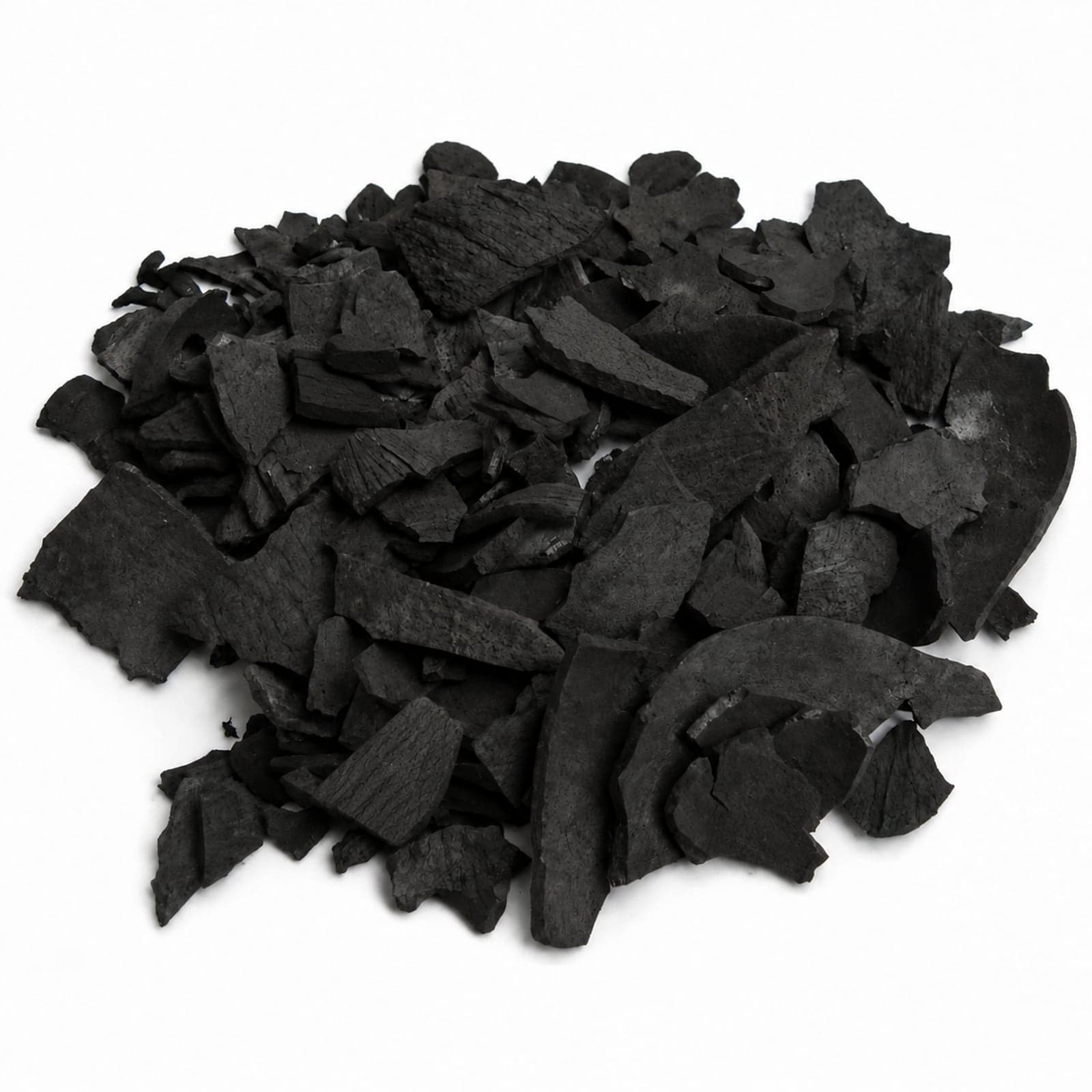
Natural Coconut Lump
Unpressed shell pieces at 20 to 80 mm and 72% fixed carbon, with fast ignition.
ISO 9001:2015 · MSDS · Self-heating test (IMO) · Factory audit on request
View productCoconut BBQ briquettes, natural coconut lump, and restaurant hardwood lump are all supplied under FOB, CIF, or EXW terms, with ISO 9001:2015 certification and HS code 4402.90. Coconut charcoal fines are supplied under FOB or CIF, also with ISO 9001:2015 and HS code 4402.90. Since ISO 9001:2015, published by the International Organization for Standardization, is a quality management system standard rather than a product standard, buyers should still carry out their own product testing and shipment inspection.
When comparing lab reports, ask the laboratory to name its method. ASTM D1762-84, published by ASTM International, covers chemical analysis of wood charcoal, including moisture, volatile matter, ash, and the calculation of fixed carbon. A named method lets your technical team put supplier reports on the same footing.
If your shortlist is narrowing, send us the destination port, the target channel, and the format you lean towards through our contact page. We will confirm which sample set makes sense before we quote a shipment.
Which is better for restaurant grilling: coconut shell briquettes or hardwood lump?
Where peak heat, larger fire beds, and long service periods count, our hardwood lump is usually the better restaurant fuel. Where portion control, repeatable pieces, and retail-style restaurant packs count, coconut BBQ briquettes are easier to manage.
The reason is as much physical as chemical. Hardwood lump arrives in 50 to 150 mm pieces. That wider range gives a grill operator larger fuel pieces for a deep bed, which helps in open grills, rotisseries, and charcoal ovens where staff top up mid-service. The published burn time of 3 hours plus also suits kitchens that want fewer refuels per shift.
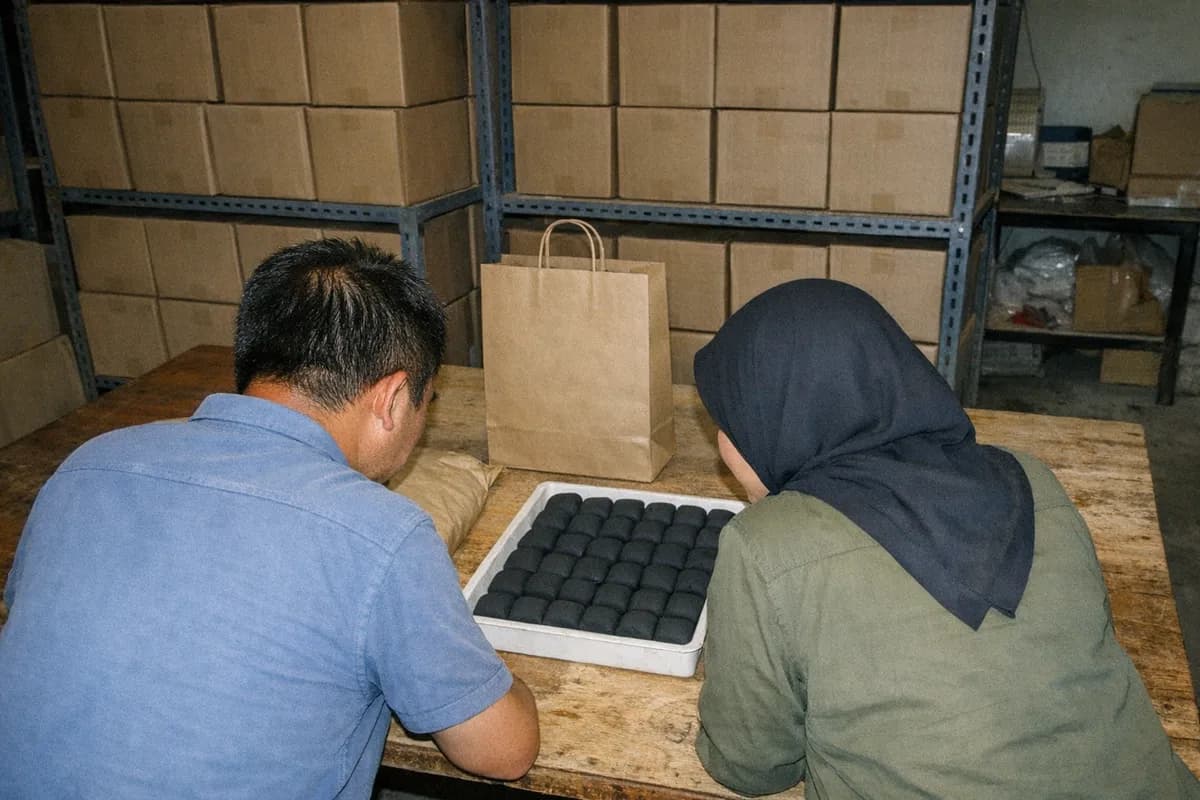
Coconut BBQ briquettes are pressed pillows. They cannot offer big natural pieces, but they do offer a fixed pillow size, which helps a buyer supplying small restaurants, caterers, or retail BBQ users who expect every bag to behave the same way. Pressing also removes much of the variation that natural lump screening leaves behind.
Handling involves a trade-off. Natural pieces have edges and voids, so hardwood lump can break down over several warehouse transfers. Loading practice matters: no throwing bags, no stacking under heavy mixed cargo, and a check on the dust percentage after the bag has travelled the route your customer's bag will travel. Briquettes are more uniform, yet broken pieces and bag seam strength still deserve a look during sample approval.
Restaurant buyers comparing fuel for grills or ovens should begin with the restaurant charcoal range, and match the sample test to the cooking equipment actually in use rather than to a small tabletop burn.
Do coconut shell briquettes produce less ash than hardwood lump?
By specification, no. In our published comparison the coconut BBQ briquette ash limit is 4% max, while the restaurant hardwood lump ash limit is 3% max.
Natural coconut lump falls between them at 3.5% max ash. Coconut shisha grades can carry lower ash limits, but they are not the BBQ or restaurant formats under comparison here. A shisha cube specification is built around hookah heat management, not around filling a restaurant grill.
Judge ash by lab result and by working behaviour together. The lab percentage is useful for comparing suppliers, but restaurant staff also care how ash gathers on the fire bed, whether it chokes airflow, and how often the grill has to be cleaned. A small gap on paper can matter less than airflow when grate design, fuel depth, and refuelling pattern are poorly matched.
In retail BBQ, ash appearance shapes customer perception. Someone opening a bag expects clean pieces and little dust. A buyer packing for supermarkets should ask for bag photos taken after vibration or transport simulation, then look at the bottom of the bag for fines. Screened lump can still generate dust after handling, so this applies most to lump products.
Keep ash-sensitive products dry. A damaged bag will pick up moisture from a wet floor, a humid container, or condensation after a temperature swing. Moisture does nothing for ash and slows lighting. Keep bags on pallets, use container liners where needed, and never load charcoal against wet cargo or container walls showing condensation.
Which charcoal gives longer burn time for BBQ and restaurant use?
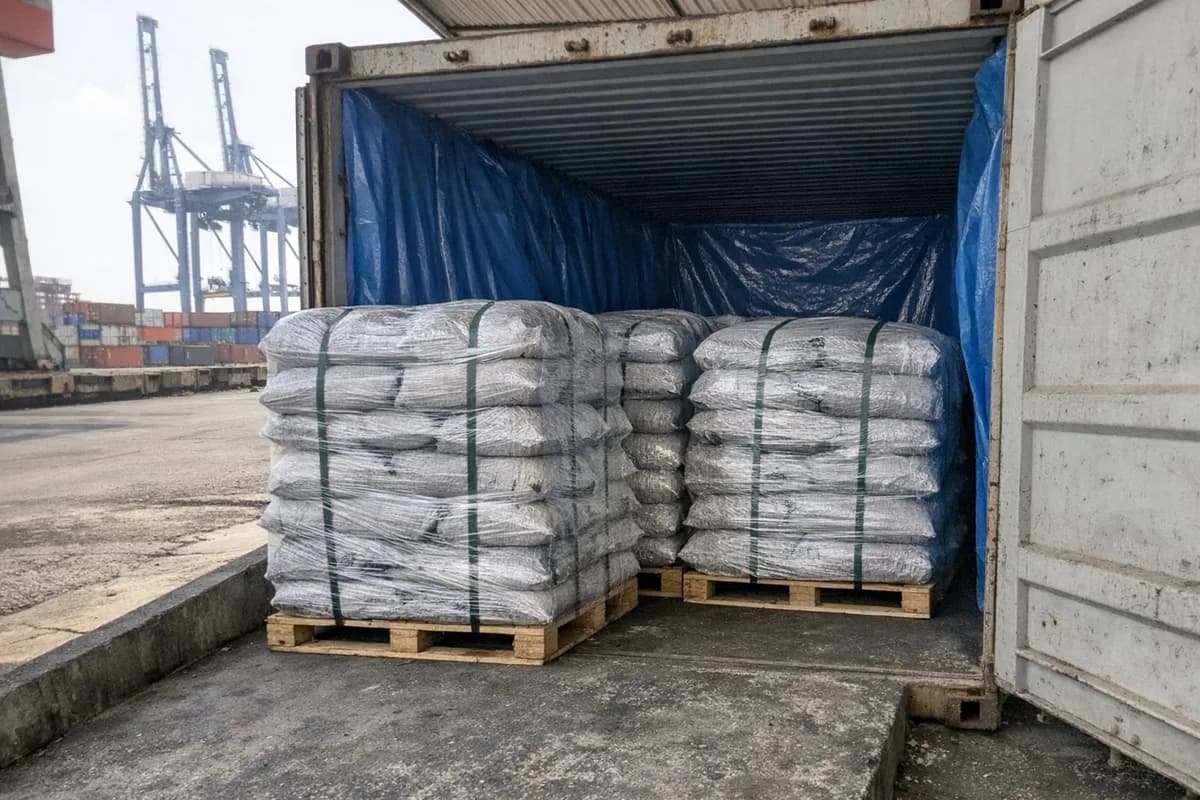
Of the products compared here, our restaurant hardwood lump has the longest published burn time at 3 hours plus. Coconut BBQ briquettes come next at 2.5 hours plus. For natural coconut lump and coconut charcoal fines, no burn time is published in the product facts.
Burn time is more than a laboratory figure. Piece size, airflow, fuel depth, grill design, and refuelling habits all change it. A restaurant running a deep charcoal bed may lean toward hardwood lump because larger pieces keep the bed open and carry a service longer. A retail BBQ buyer may lean toward coconut pillow briquettes because the consumer gets a predictable piece count per bag and a more even burn.
For high-heat searing, hardwood lump is the safer recommendation from our range, given its higher published calorific value and larger pieces. That is no verdict against coconut briquettes for BBQ. They are simply better placed where the buyer prizes regular shape, retail presentation, and steady heat over the largest natural lumps.
Where coconut BBQ briquettes are strongest is consistency for retail packaging. A pressed 50 x 35 x 25 mm pillow is easier to describe on a label, easier to portion into a consumer bag, and easier to photograph for private-label approval. Hardwood lump spans 50 to 150 mm, so even a good bag may hold pieces of visibly different size. That is normal for lump, but the acceptable size distribution should be agreed before shipment.
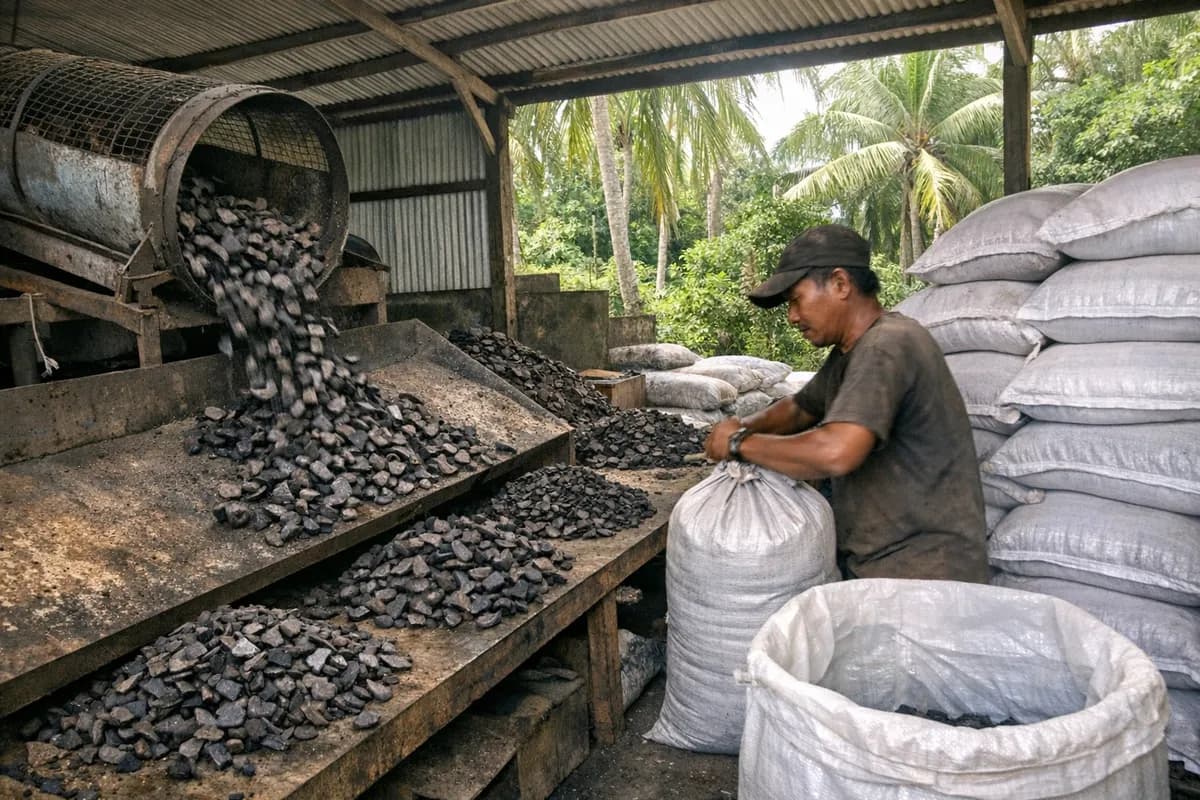
Natural coconut lump is the middle path. Unpressed, it keeps the natural shell-piece character, but its 20 to 80 mm screen range is tighter than restaurant hardwood lump. Buyers pick it when they want coconut shell material without the pillow briquette shape. If you are comparing coconut formats before settling a retail direction, review the coconut shell charcoal range.
How should buyers choose for restaurants, retail BBQ, and industrial heating?
Restaurant hardwood lump for long service cooking, coconut BBQ briquettes for retail consistency, natural coconut lump for buyers who want unpressed coconut shell pieces, and coconut charcoal fines for industrial users needing granular carbon. The right pick is whichever matches the buyer's equipment, packing channel, and tolerance for dust or breakage.
For restaurants running long grill sessions, charcoal ovens, or open-fire service, we would begin with hardwood lump. The stronger published carbon and burn figures support that use, and the 10 kg or 15 kg kraft bag suits food-service handling. The buyer should test ignition, smoke at lighting, refuelling interval, ash cleanout, and dust after transport.
For retail BBQ, coconut BBQ briquettes are easier to keep under control. The pillow size supports repeatable bag filling and private-label presentation. Selling through supermarkets, petrol stations, garden centres, or e-commerce? Judge more than the fuel. Check bag print, closure, drop resistance, barcode placement, pallet pattern, and whether the bag still looks saleable after distribution.
Buyers who want a lump product made from coconut shell should test natural coconut lump. The moisture liner in the 15 kg woven PP bag helps where storage is not fully controlled, but dry pallets and covered warehousing are still needed. A liner does not make it safe to store charcoal on a wet floor.
For industrial heating or carbon feedstock, coconut charcoal fines are a different product altogether, not a restaurant substitute. The 0 to 8 mm granular size fits processes that can meter fines, blend them, or take them as input material. It is the wrong format for an open restaurant grill unless the equipment was designed for small granular fuel. Industrial buyers should confirm feed system behaviour, dust control, and whether 25 kg bags or 1 t jumbo bags suit the plant's receiving process.
Compare prices only after the format is chosen. The main drivers are grade, packing type, Incoterm, shipment volume, season, inland handling, and ocean freight on CIF offers. We quote no single public terminal price for Indonesian coconut shell charcoal or hardwood lump as a fixed reference, because a packed retail BBQ briquette and a restaurant lump bag are different costing jobs. Minimum order is also confirmed in the quotation, since no fixed MOQ is published in the product facts for these lines.
If your procurement team is still undecided, ask for one coconut shell format and one hardwood lump sample for the same cooking or plant trial. Share the target channel and port through our contact page, and we will help you compare the formats on the fields that matter to your buyer.