Skip to content
IndonesiaCharcoal

Coconut shell charcoal

Nine products pressed, screened, or milled from contracted Indonesian coconut shell, ranging from shisha cubes to industrial fines.

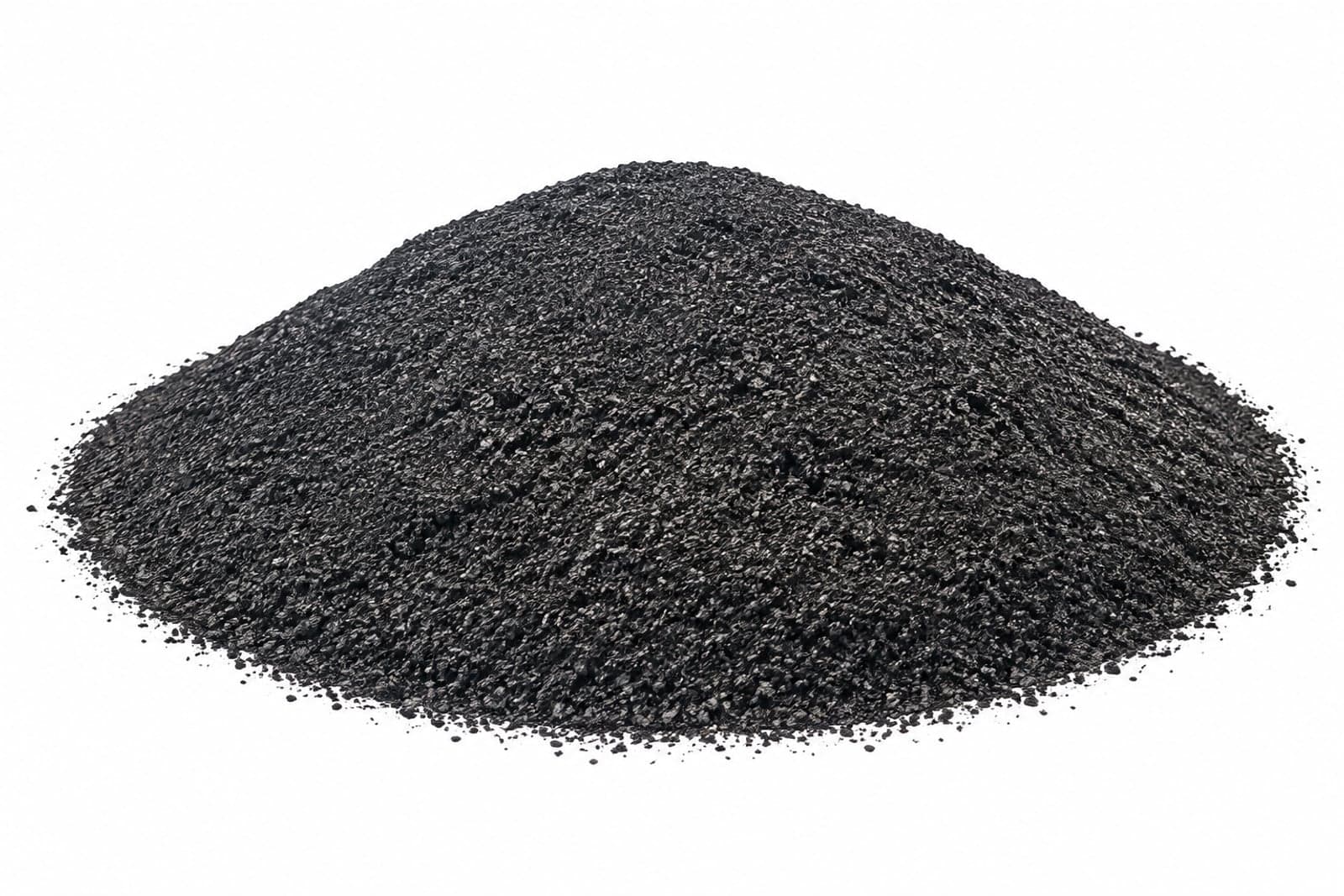
Charcoal importers ask for coconut shell by name because it carbonizes into a denser, cleaner product than wood: more fixed carbon, whiter ash, and no felled trees. Indonesia's copra and desiccated coconut industry produces shell on a scale no other origin can match, and our annual supply contracts in Sumatra, Java, and Sulawesi turn that byproduct into every coconut line we press.

Matching products

9 products

Why do buyers specify coconut shell charcoal rather than wood?

Pressed shell charcoal reaches 80% fixed carbon with white ash at 1.9%, where mixed wood briquettes typically sit around 60% carbon with grey ash above 5%. That gap shows up as longer sessions, cleaner bowls and grates, and no sparking. Shell is also a waste stream from food processing, so the product carries no deforestation exposure and needs no timber legality paperwork at import.

Where does the shell come from, and how is the supply controlled?

Cleaned, dried shell arrives under annual contracts from copra crushing and desiccated coconut plants in Sumatra, Java, and Sulawesi. Each truck is inspected at intake and stored by lot, then carbonized in our own drums before pressing, screening, or milling. A uniform raw material is what keeps ash colour and burn behaviour uniform between batches, and that consistency is what distributors reorder for.

Which products are made from coconut shell?

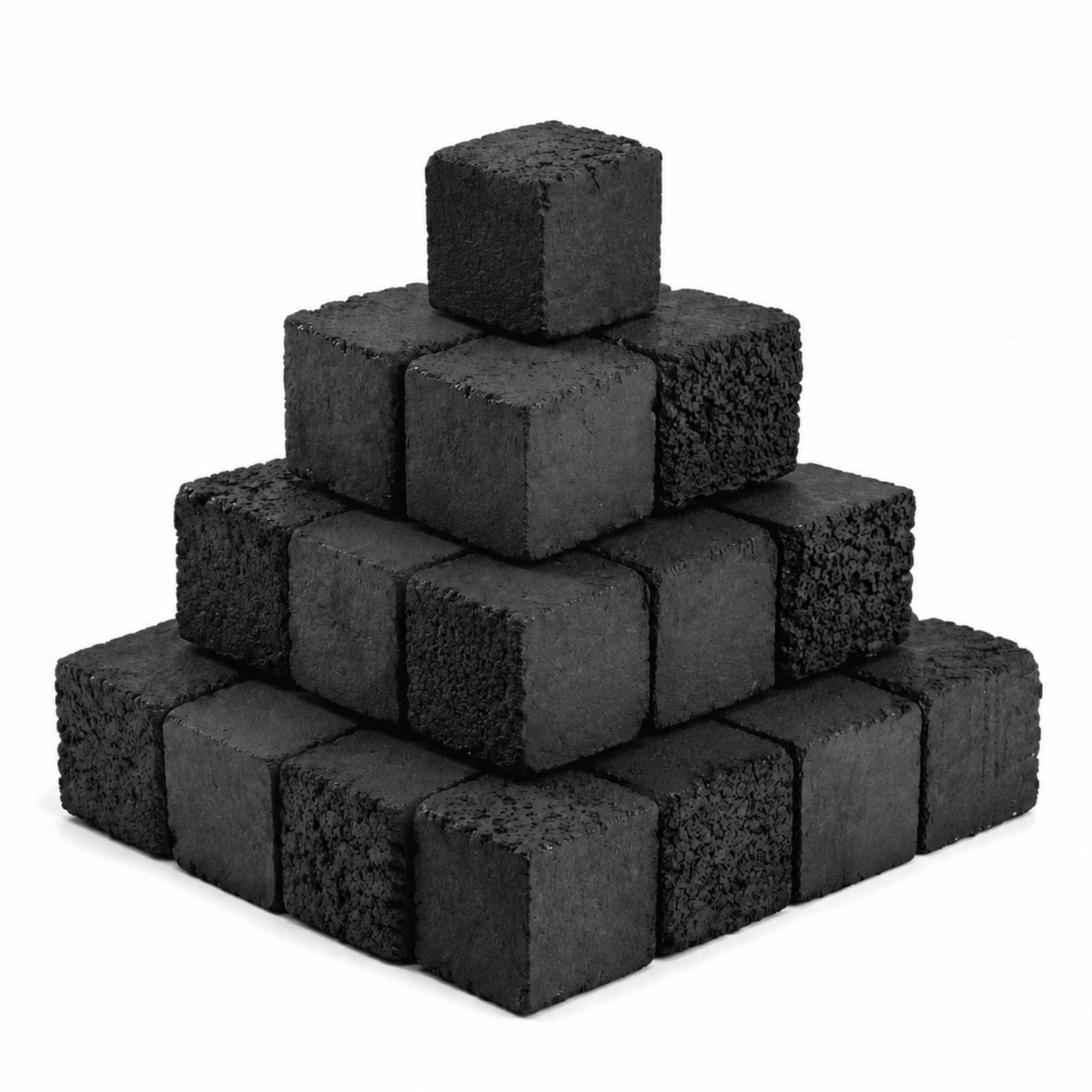
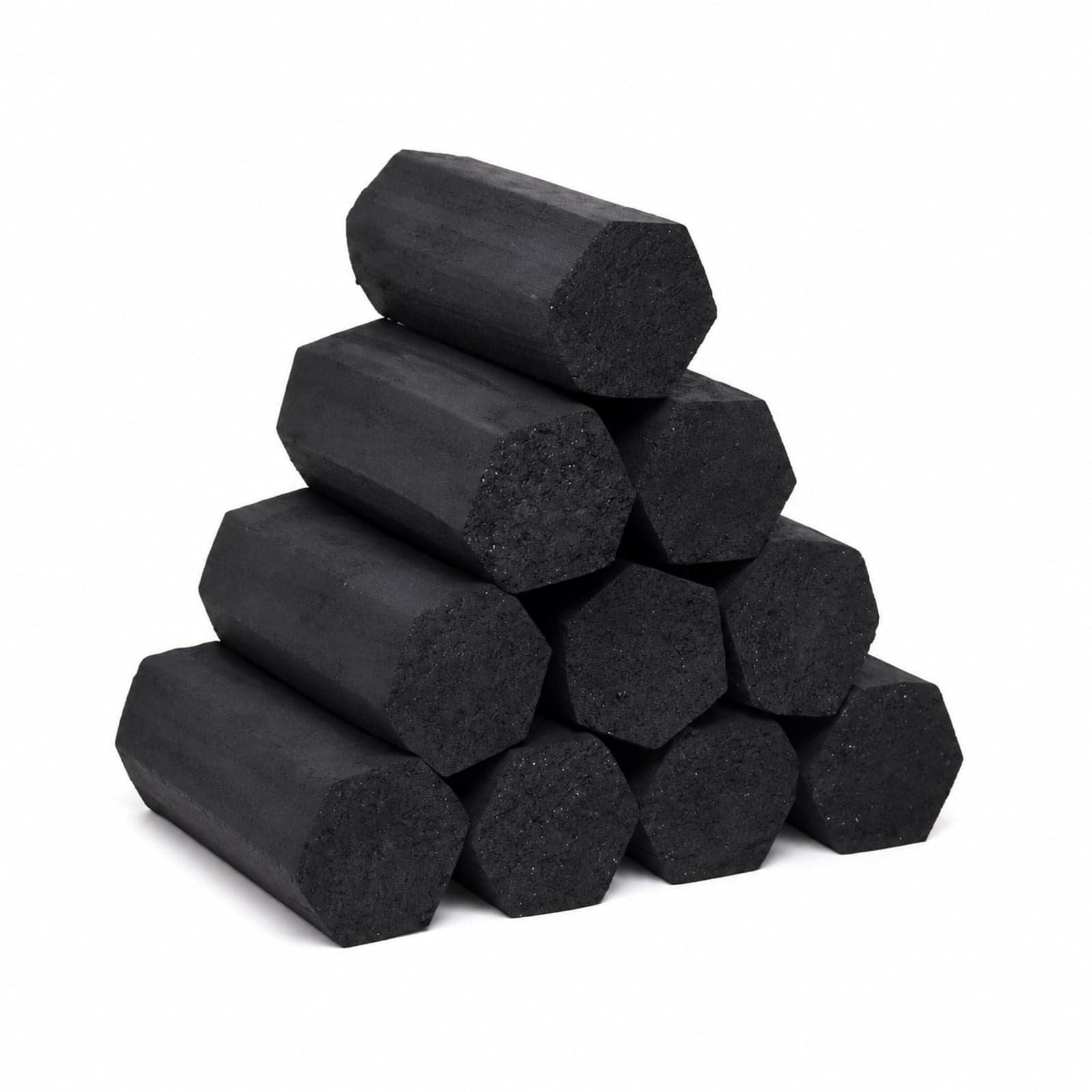
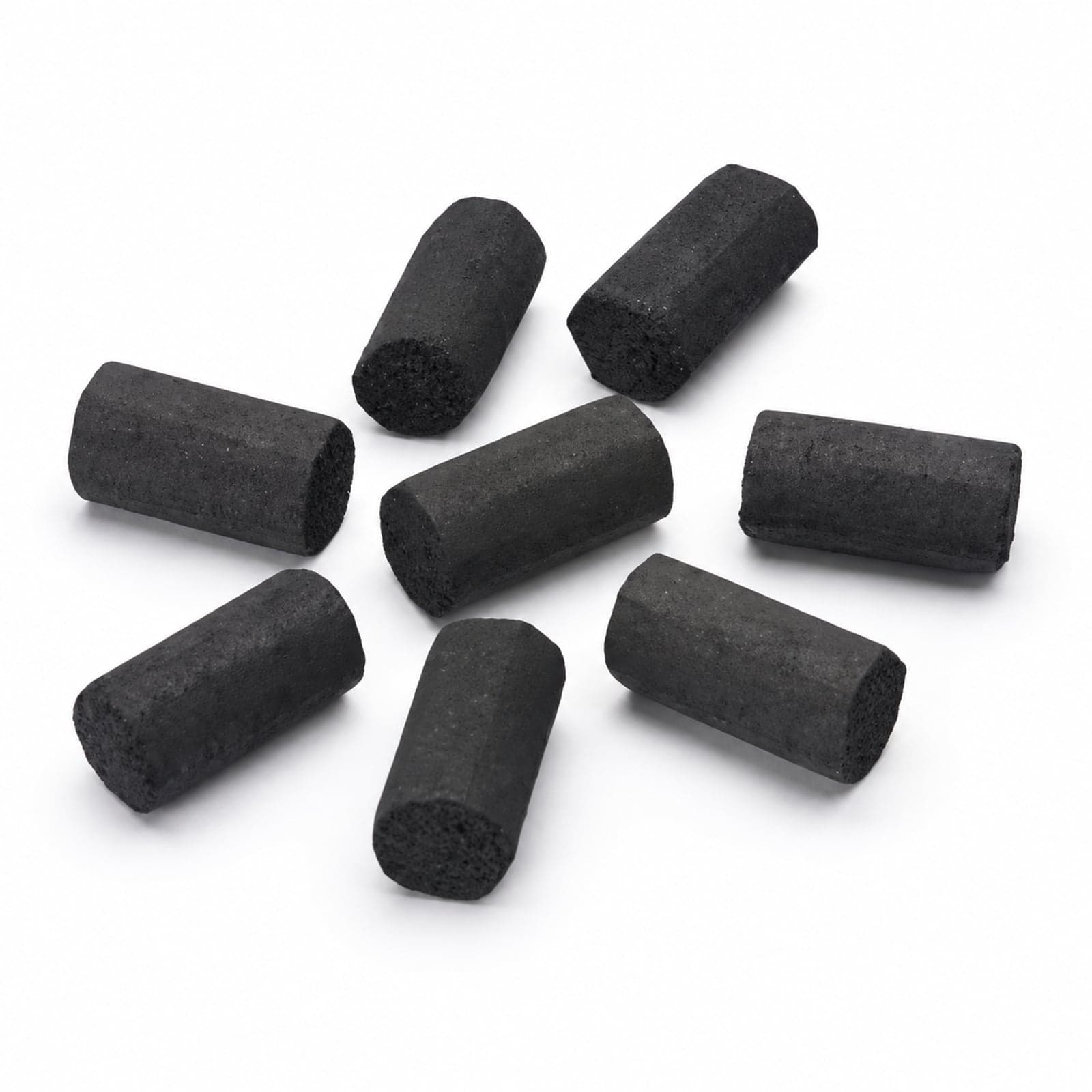
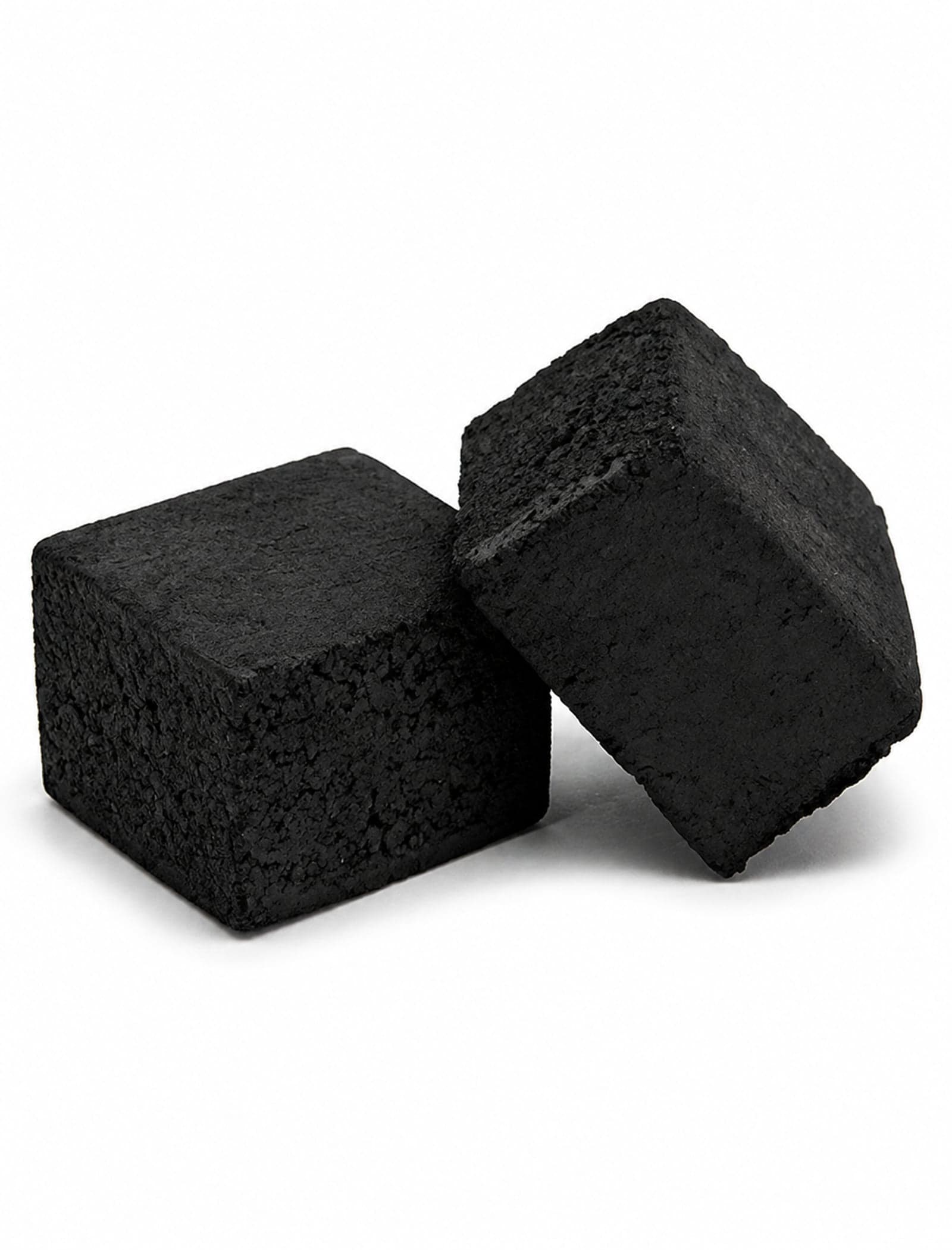
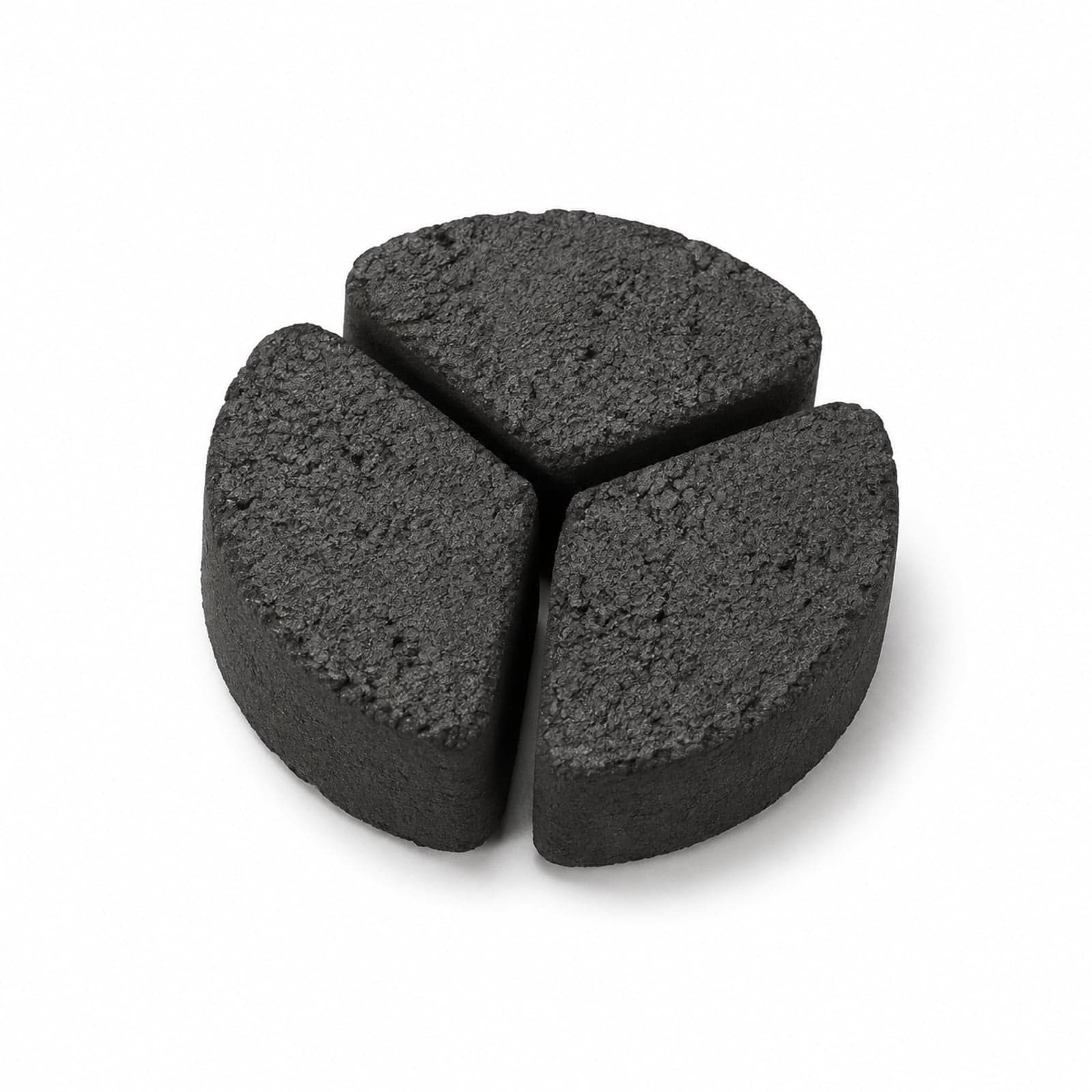
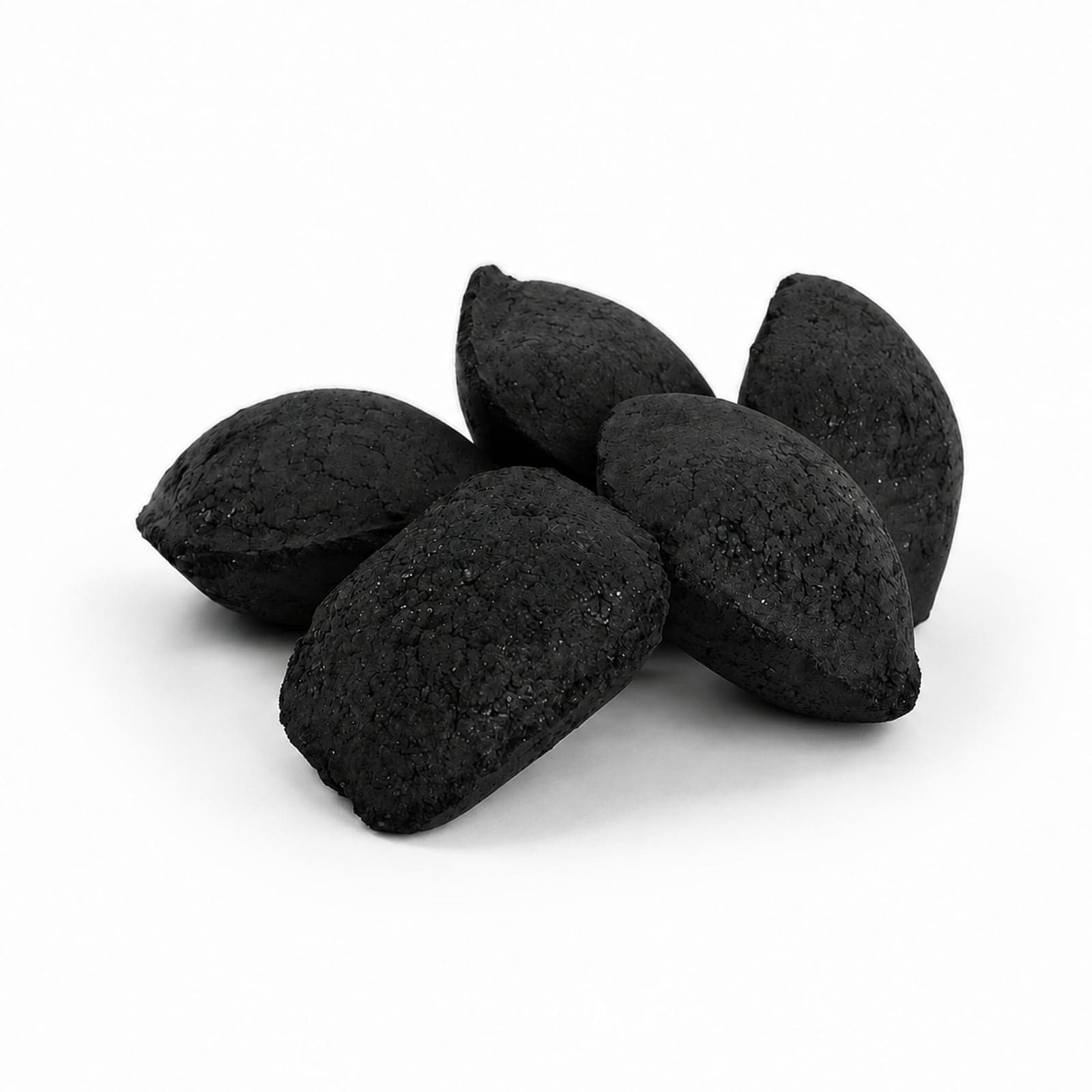
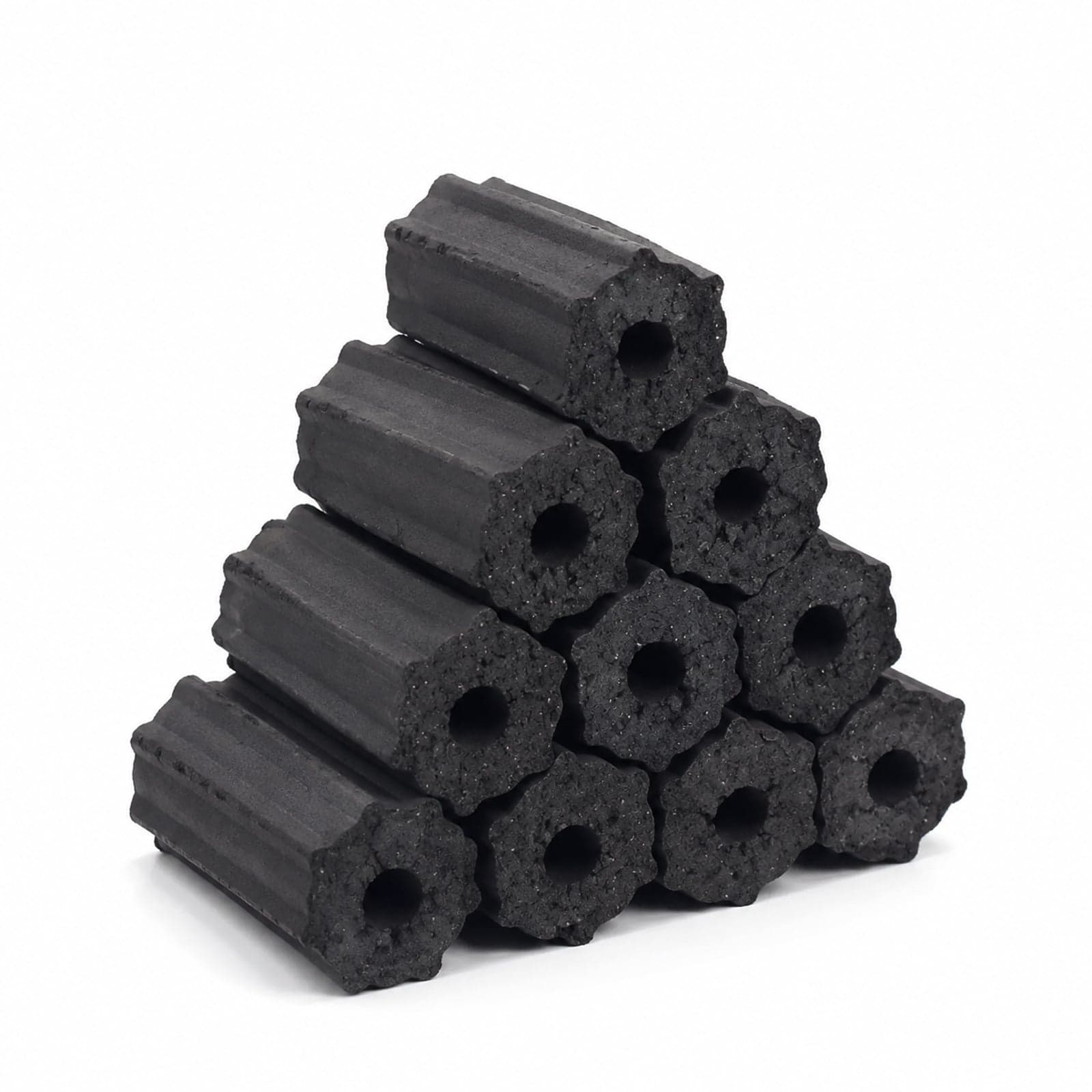
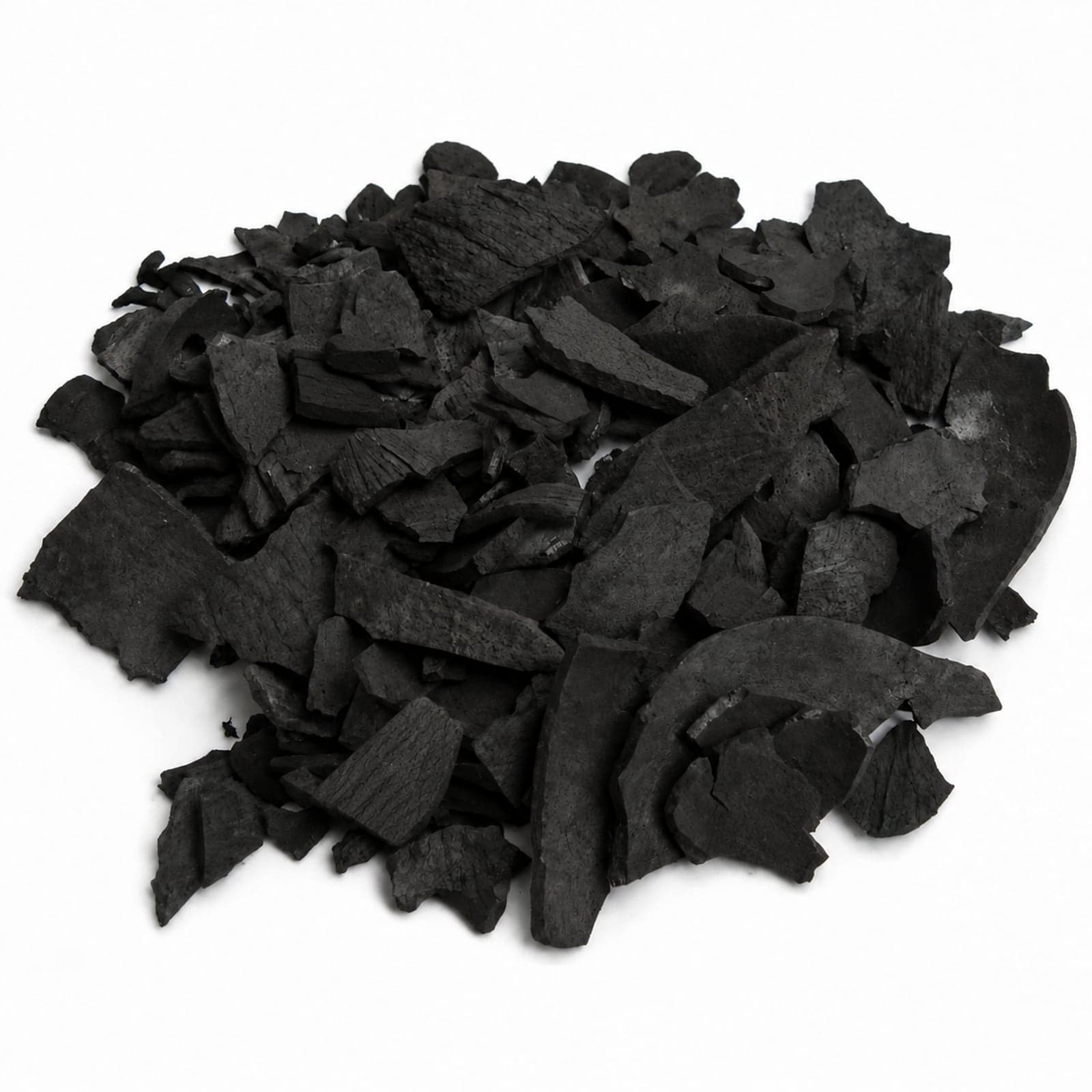
For shisha: cubes from 22 to 27 mm, hexagonal and round sticks, flat tablets, and pre-scored Kaloud style discs. For grilling: flat blocks and 60 mm hexagonal briquettes. Unpressed: natural shell lump at 20 to 80 mm. Industrial: fines at 0 to 8 mm. All nine products share one carbon base and differ only in pressing, sizing, and packaging, so a distributor can build a complete range on a single raw material.

How is coconut shell charcoal quality verified?

Each batch is lab-tested in-house for fixed carbon, ash, moisture, and burn behaviour, and the certificate of analysis for every container quotes the batches loaded. On request, SGS, Sucofindo, or Carsurin pre-shipment inspection and factory audits are booked at cost. The factory holds ISO 9001:2015, and the MSDS and the self-heating test report accompany every booking.

How do I import coconut shell charcoal out of Indonesia?

Coconut shell charcoal ships under HS 4402.90.10 out of Jakarta (Tanjung Priok) or Semarang, FOB as standard, with CIF or CFR to the major ports on request. The minimum order is one 20 ft container of about 18 t, and products can be mixed. Samples up to 1 kg are free, lead time runs 1 to 4 weeks, and payment is a 30% deposit with 70% against documents, or LC at sight on programme contracts.

Product FAQ

Ordering, testing, and shipping for this line.

What is the minimum order quantity?

One 20 ft container, loaded to about 18 t. A 40 ft holds about 26 t, and larger quantities earn a discount. We do not ship LCL or pallet lots, although a mixed-product container is fine for a trial.

Can I get samples before ordering?

Yes. Samples up to 1 kg are free, with the shipping on your account. Larger samples are charged at a minimum price. Ship collect on your own DHL or FedEx account, or ask us for a quote from our preferred courier.

What is the production lead time?

Typically 1 to 4 weeks from order confirmation to loading, depending on the quantity and the orders already in production. Peak season slots in Q3 and Q4 should be booked in advance.

What payment terms do you accept?

A 30% deposit on order and 70% against the shipping documents. On programme contracts we accept an irrevocable LC at sight. First orders are not shipped on open account.

How do I know the spec is genuine?

Each batch is tested in our own lab, and the container CoA quotes the batches that were loaded. On request we book SGS, Sucofindo, or Carsurin for pre-shipment inspection and factory audit at cost, and the MSDS and self-heating test report are issued before the vessel sails.

What packaging options exist?

Shisha lines go in 500 g, 1 kg, and 3 kg inner boxes packed into master cartons. BBQ lines go in 3 kg, 5 kg, 10 kg, and 20 kg bags. Lump and fines go in PP bags, kraft bags, and 1 t jumbo bags. Above the design minimums, any product can carry your branding.

Do you produce under private label?

Yes. Any product in the catalogue can carry your branding: your artwork on inner boxes, bags, and master cartons, printed to your dieline once proofs are approved. Mixed containers under one label are a routine way to launch a range.

Which Incoterms and ports do you work with?

FOB Jakarta (Tanjung Priok) or Semarang as standard, CIF or CFR to the major ports on request, and EXW for buyers running their own forwarders. The MSDS and the non-self-heating test report carriers require under IMDG Class 4.2 come with every booking.

Send us your spec. Quote back within 24 hours.

Give us the application, the monthly volume, and the destination port. You get price, lead time, and a sample plan in return.